
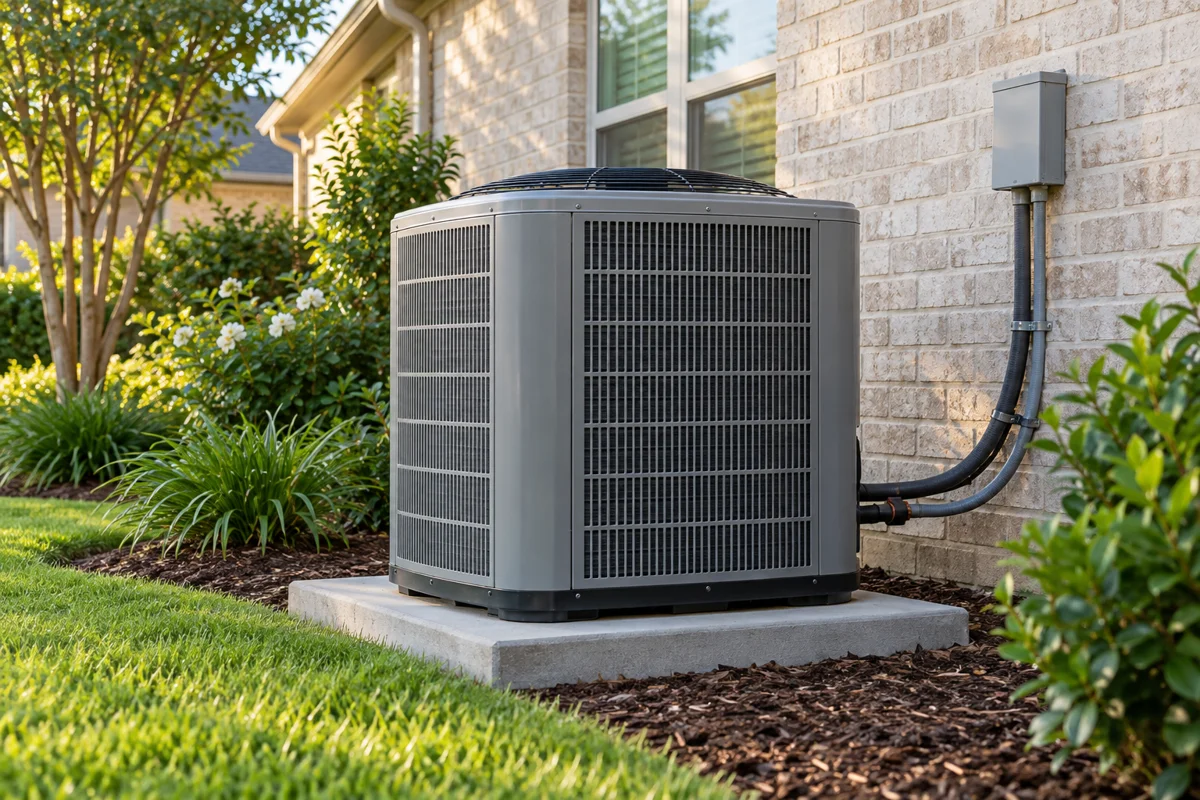
A closer look
Compare the options for your home
Replacement planning should weigh comfort, repair history and the condition of both indoor and outdoor equipment. A newer outdoor unit alone will not correct damaged ducts or an airflow problem elsewhere in the house.
A useful proposal spells out what is included and which existing components will remain. Ask about equipment compatibility, installation requirements and the checks planned before handover.
Signs it may be time to replace your AC
- The system is 10–15 years old or older
- Repairs are becoming frequent or expensive
- Your energy bills keep climbing
- The house has uneven temperatures or stays humid
- Your system uses R-22 refrigerant, which is no longer produced
Repair or replace: how to decide
A common rule of thumb is to compare the cost of the repair to the value of the remaining life in the system. A moderate repair on a younger system is usually worth it; a major repair on an old system often is not.
We would rather show you both paths than push you toward one. If repair makes sense, we say so.
What replacement involves
Assessment
We look at your home, your existing equipment, ductwork and comfort problems.
Options
You get equipment choices at different efficiency and feature levels with clear pricing.
Installation
The old system is removed, the new one is installed and tested, and we walk you through how it works.